
Why Releasing Music Isn't Enough, and Why We Need Other Musicians | Godfrey de Grut
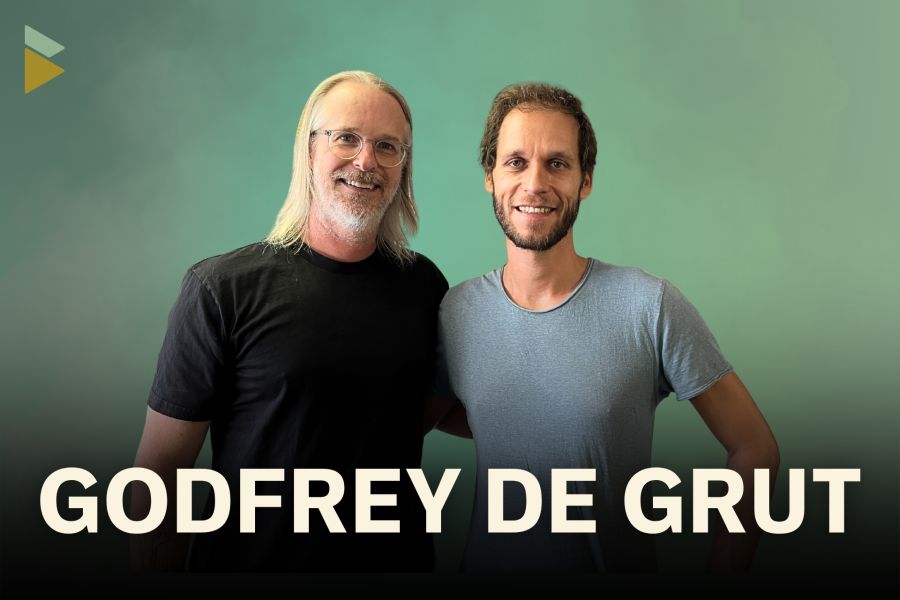
Backstage Wisdom Podcast • EP 8
Finish the song, share it, and don't do it alone: Godfrey de Grut on perfectionism, process and the power of community
You've finished the song. It's good, but not quite right yet. So you tweak it again, wait a little longer and tell yourself you'll release it when it's ready. Sound familiar?
Godfrey de Grut has been a professional musician in New Zealand for decades: saxophonist, keyboard player, songwriter, arranger and educator, working across jazz, hip-hop and pop. Today he mentors the next generation of musicians in a university songwriting program in Auckland. That gives him an unusual view of what has changed, from the music industry and social media to education and AI.
In conversation with Marco Hohner, this episode is less about how to become a successful musician and more about what happens once you've been doing this for a long time. It's about the cost of perfectionism, why criticism hits so hard and how to take the sting out of it, why releasing music is no longer enough when around 100,000 new songs appear every day, and why we need other musicians and healthy mentors more than ever.
🎧 Listen to the full conversation on the Backstage Wisdom Podcast.
«I've been most happy with music when I've been with other musicians.»
— Godfrey de Grut, musician and educator
Key Takeaways
Don't be too precious: perfectionism can stall your music
Holding music back until it's perfect rarely makes it better. It costs you momentum, and sometimes even relationships. Set a release date before you start polishing, and treat "good enough to share" as a legitimate finish line.
Judge your work by your process, not by the reaction
When songs feel like your babies, every lukewarm reaction feels like a verdict on your ability. Shift the question from "did they like it?" to "did I think it through, test it and iterate?" Feedback from one or two people is a tiny data set, not the truth about your music.
Releasing music isn't enough: build real connections
With around 100,000 songs released every day, a release without an audience disappears. The musicians who last tend to build their audience step by step, invite people into their journey and surround themselves with other musicians who bring what they don't have.
Deep Dive
Don't Be Too Precious About Your Music
How many finished songs are sitting on your hard drive right now, waiting to be "ready"? For many musicians, perfectionism feels like quality control. In practice, it often works as a brake. The song is almost right, so you keep refining. Weeks become months, momentum fades, and the song never gets heard.
This pattern can even end bands. A group wins a major jazz album award, and suddenly the pressure is on: the follow-up has to be bigger, better, more international. Everyone has a slightly different idea of what the next record should be. The music gets withheld while everyone argues over how to get it exactly right, and in the end the band drifts apart without ever releasing the second album. The same thing can happen to solo artists. Hold on to music for long enough, and you lose momentum, because "nothing will be as good as what you think it should be."
The core problem is that perfectionism compares your real, finished song with an imagined ideal, and the real one always loses. Meanwhile, every song you don't release is a song you can't learn from. "If you're too precious with it, you don't release enough.
Judge Your Work by Your Process, Not the Reaction
Why does one lukewarm reaction to your music sting for days? Because for most of us, songs aren't products. They're closer to children: "They're my babies.", Godfrey says. They exist because of our mindset and our abilities, so when someone is unimpressed, it can feel like proof that our abilities aren't as good as we thought.
One way out is to change what you measure. Instead of judging a piece of music by whether it landed, judge the thinking behind it. Did you research your idea? Did you test it with the people it's actually meant for? Did you try an alternative version, say a longer chorus or a different perspective in the lyrics? Did you iterate until this was the best you could do? Taste is subjective, and any listener might simply not be the target audience. A solid process, on the other hand, is something you can actually evaluate, and improve.
The same logic helps with feedback. "That data set of one person or two people is not important." Listen to people who know more than you, but don't take their advice verbatim. A good rule of thumb: listen to people, but go with what you want. And remember that being a good musician and being a good person are two separate things. A bad night on stage says nothing about your worth.
Make Music With Others, Not Just for Them
If anyone can release a song in five minutes, what makes anyone listen? Releasing music used to be hard and expensive, and the barrier did the filtering. Today the barrier is gone, and the problem has flipped: around 100,000 songs are released every day. "If you haven't got an audience, there's no point in releasing music."
That shifts the job description. Making music and delivering it is no longer enough, and building a relationship with the people who might care is part of the work. That can mean playing live, showing up regularly on a platform like YouTube, sharing works in progress and asking for input. Listeners love the story arc of an up-and-coming musician, and many want to be there from the beginning and follow step by step.
The same logic applies to musicians among themselves. It's tempting to believe you can do everything alone, especially with AI tools and software. But the music that affects us most rarely came from isolation. It came from bands, mentors and the people in the background who gave feedback. "Humans respond to the humanity in music." And the best collaborations tend to follow a kind of Venn diagram: enough in common to speak the same musical language, and enough difference that each person brings something the other will never have. Together you make something neither of you could do alone. That same sense of belonging also seems to be where happiness often shows up: playing, traveling and sharing music with other musicians and audiences.
Continue the Conversation
The best conversations don't end when the episode is over. They continue in the questions we ask ourselves.
1. Release practice: Pick one finished-enough song and set a release date, ideally about four months ahead if you want a proper rollout. When the date arrives, release it, and let it start its own life.
2. Process check: Before you share your next piece, write down three honest answers: What was I trying to say? Who is it for? What did I try and discard along the way? Use them as your own measure of "done."
3. Reach-out practice: Name one musician whose strengths are the opposite of yours, and contact them this week. Not for a favor, but for a jam, a co-write or simply a conversation about what you're both working on.
Keep Exploring
Did this conversation resonate with you?
On the Backstage Wisdom Podcast, Marco Hohner speaks with musicians and experts about the realities of life behind the stage – through honest, thought-provoking conversations that go beyond easy answers.

Your Backstage Journey
Every musician's path is unique. So are the challenges that come with it.
If you're looking for greater clarity, confidence and balance – both on and off the stage – discover Marco Hohner's holistic Coaching for musicians.